Category Archives: Science & Technology

Now, get info on farm tech

The Karimnagar District Cooperative Central Bank’s Farmers’ Development Centre would provide inputs on technology, weather, crop variants and fertilisers to spur productivity

In a bid to create awareness on farming techniques and to increase productivity, the Karimnagar District Cooperative Central Bank (DCCB) on Sunday launched Farmers Development Centre, a first-of-its-kind initiative in the country.

The FDC, launched in association with Nabard and e-fresh portal, would enlighten farmers about the latest farming technology and methods for increasing yield, DCCB chairman K. Ravinder Rao told reporters. It would also conduct soil and water testing and give appropriate suggestions to farmers on the use of fertilizers, pesticides and crops.

It would also sell the latest variety of seeds, pesticides, fertilizers and other agriculture tools etc. The FDC would educate the farmers about the need for developing vermin compost. They would also remove middlemen and ensure that farmers have direct linkage with the market so as to get better prices for their produce. The FDC would also provide weather forecast for farmers. Similar FDCs were being planned at Jagtial and Sircilla town, DCCB authorities said.

On the go

In order to ensure that the latest agricultural developments reach the grassroots-level farmers, the DCCB had also decided to launch ‘208 Rythu Ratham’. The specially-designed vehicle contains all information on the FDC and also facilities for the conduct of soil and water testing in the fields. It would also contain audio-video equipment for educating farmers on the latest farm technologies.

source: http://www.thehindu.com / The Hindu / Home> News> National> Andhra Pradesh / by Staff Reporter / Karimnagar – May 12th, 2014

Haemophilic woman gives birth to healthy twins

Visakhapatnam :

A haemophilic woman has successfully given birth to healthy twins in a corporate hospital in the city through IVF method. The follow up to the complex surgery shows that all three are well and the twins are free from the genetic disease.

Haemophilia is a genetic and a rare bleeding problem and about one in 10,000 people are born with it. In such patients, the blood does not clot properly as it does not have enough the protein that controls bleeding.

Janani Kumar, a 27-year-old married woman, whose father had hemophilia, is one such carrier of the gene. There was a 50 per cent chance that if Janani’s baby would be born with haemophilia.

After a period of procrastination, the couple decided to have kids through IVF treatment where another woman’s egg and Janani’s husband’s sperm was fertilized and then implanted in her as this was deemed to be the best alternative for them to have healthy babies. The IVF was successful and Janani conceived twins – a boy and a girl – at the end of March under the care of Dr B Sowdamini, consultant obstetrician at Manipal Hospital.

Follow up treatment after a month of delivery showed that the mother and children are in good health. The twins were diagnosed to be free from haemophilia.

Initial examination before delivery had shown that one of the twins in the womb was in breech position, which is below the hip. Janani opted for elective caesarean surgery, which was undertaken by Dr Sowdamini, with a team including a haematologist, neonatologist and other paramedical staff.

“The missing clotting factor was injected into the bloodstream with a needle. Bleeding stops when clotting factor reaches the bleeding spot. Bleeding should be treated as quickly as possible. Quick treatment will help reduce pain and damage to the joints, muscles, and organs,” said Dr Sowdamini.

Janani went into postpartum haemorrhage – bleeding after babies are delivered – but the medical team was prepared for this condition and within 24 hours she was given four pints of blood and factor 8 drip was maintained to facilitate clotting. Dr Sowdamini said this complication was anticipated as when a woman gives birth to twins, her uterus is distended or stretched and doesn’t contract as in the case of a single baby delivery.

“First, Janani was given prophylactic factor 8, a coagulation factor, which is given to haemophilia patients so that they do not bleed profusely. Besides, O -ve blood units were stored readily in case of any abnormality during surgery. Janani’s surgery took about an hour and she gave birth to a healthy 2.9 kg boy and a 2.5 kg girl,” stated the doctor.

source: http://www.timesofindia.indiatimes.com / The Times of India / Home> City> Visakhapatnam / TNN / May 12th, 2014

Andhra Pradesh doctor makes leadless pacemaker

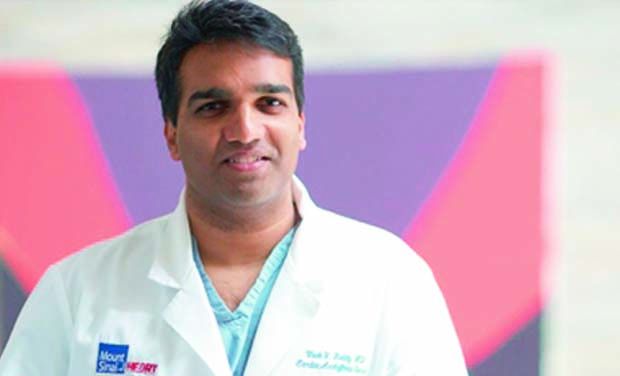
Dr Vivek Reddy (Photo: PTI)

New York: 

The world’s first wireless pacemaker, developed by an Indian-origin scientist, has shown promising results after one year of human trials.

The device, resembling a tiny, metal silver tube and smaller than a triple-A battery, is only a few centimeters in length, making it less than ten per cent the size of a traditional pacemaker.

“This is the first time we’ve seen one-year follow-up data for this innovative, wireless cardiac pacing technology and our results show the leadless pacemaker is comparable to traditional pacemakers,” said Dr Vivek Reddy, Director of Arrhythmia Services at The Mount Sinai Hospital here, who is the study’s co-investigator.

In comparison to a conventional pacemaker, the new-age leadless pacemaker eliminates the need for a surgical pocket and no visible pacemaker device under a patient’s chest skin, no incision scar on the chest, no connector wires or leads, and no restrictions on a patient’s daily activities. The device’s benefits may also allow for less patient discomfort, infections, and device complications and dysfunction.

“Our latest findings further support the promising performance and safety of this minimally-invasive, non-surgical pacing device. More long-term follow-up of these LEADLESS study patients will further our understanding of the potential advantages, benefits, and complication risks of leadless pacemaker technology, along with additional ongoing, larger trials,” Dr Reddy said.

The study’s long-term follow-up has evaluated 32 patients with a slowed heartbeat, bradycardia at two hospitals in Prague and one in Amsterdam, the hospital said in a statement. The miniature, leadless cardiac pacemaker is placed directly inside a patient’s heart without surgery during a catheter-guided procedure through the groin via the femoral vein. It works by closely monitoring the heart’s ele-ctrical rhythms.

source: http://www.deccanchronicle.com / Deccan Chronicle / Home> World> Americas / PTI / May 11th, 2014

Krishi Parivartan Yatra: Agro-tech and business opportunity for farmers

Sangareddy :

The International Crops Research Institute for the Semi-Arid Tropics (ICRISAT) on Sunday kick started Krishi Parivartan Yatra, hosting the first of five agro-tech and business opportunities expos scheduled to take place in five cities in India.

Krishi Parivartan Yatra or a journey of agricultural transformation takes 50 farmers and entrepreneurs, who are beneficiaries of the World Bank-funded National Agriculture Innovation Project (NAIP) of the Indian Council of Agricultural Research (ICAR), on a five-city tour to share new technologies and agri-ventures with fellow farmers.

The activity is being organized by NAIP to promote cross learning and sharing of success stories among farmers across the country, so as to strengthen agribusiness and boost the transformation of Indian agriculture. It will conclude and culminate into the Agri-Innovation Conclave in New Delhi on May 18.

The first expo held at ICRISAT showcased the best of enterprises developed through NAIP initiatives. The activity included parallel sessions and discussions where the NAIP farmer beneficiaries shared their success stories with about 200 farmers and entrepreneurs and promoted the tremendous potential in agribusiness. The train journey was then flagged from ICRISAT’s global headquarters in Hyderabad for the five-city tour after the day-long activity.

“Innovation in agriculture is widely considered as the key to achieve food security. To actualize this vast untapped potential of Indian agriculture, this Krishi Parivartan Yatra is being organized to bring to the fore, the unlimited opportunities that agriculture and agribusiness offer,” said Dr D Rama Rao, national director, NAIP at the inaugural session of the Yatra.

“Our mission is to make smallholder farmers in the drylands prosperous, not just self-sufficient. And that is why we are engaged in promoting an inclusive and technology-based entrepreneurship and agribusiness program,” said Joanna Kane-Potaka, strategic communication and marketing director, representing ICRISAT director-general Dr William Dar.

“ICRISAT’s Agri-Business Incubation (ABI) Program has supported more than 200 agribusiness ventures and benefited over 500,000 farmers in Andhra Pradesh and neighboring states. We have identified and supported some very good innovative products and technologies and taken them to the market. The Krishi Parivartan Yatra supports our goal to bring together the best of agri-ventures and enterprises to improve the livelihoods of smallholder farmers,” said SM Karuppanchetty, chief operating officer, ICRISAT-ABI.

The Yatra journey, along with the just concluded Agri-Biz Idol Camps held in various cities between May 5 and 9 to reach out to the youth and start-up entrepreneurs, will both culminate in the Agri-Innovation Conclave from May 18 to 19 in New Delhi. The conclave aims to bring together agribusiness experts, professionals, and other stakeholders from across the country, on a common platform to share NAIP’s success and conceive path breaking ideas for strengthening the future of agribusiness in India.

NAIP-ICAR has embarked on this unique initiative to promote awareness on the potential opportunities in agri-business, nurture agri-innovators for future generations, and also to promote the various business incubation services offered by NAIP’s Business Planning and Development (BPD) units. The BPDs which primarily act as an agriculture incubation centers help start-ups or entrepreneurs foraying into agribusiness to flourish by providing comprehensive business solutions.

Over the last five years, 22 agribusiness incubators (BPDs) have been set up throughout India in agricultural universities and research institutes by NAIP-ICAR with support and mentoring by ICRISAT-ABI. The success has led to ICRISAT and ICAR sharing their expertise across the continents to Africa, to coordinate the setting up of food business incubators and food technology laboratories in 10 African countries.

source: http://www.timesofindia.indiatimes.com / The Times of India / Home> City> Hyderabad / by Syed Akbar, TNN / May 11th, 2014

Visakhapatnam doctors treat complex pregnancy

Visakhapatnam :

In a high-risk gynaec case, a 22-year-old asthmatic woman, suffering from several medical complexities associated with pregnancy, including severe swelling (edema), abnormally low platelet count and very high BP or severe pre-eclampsia along with HELLP syndrome, successfully gave birth to twins at a hospital in the city. HELLP syndrome is an obstetric condition marked by rupture of red blood cells, low platelet count and higher liver enzymes. B Bhagyalaxmi from Vizianagaram came to Manipal Hospital in mid-March with severe swelling all over her body and high BP of 150/100. “Blood spots were visible all over her body under her skin. She was 37 weeks pregnant with twins and on further diagnosis, her platelet count was found to be 30,000, Platelet count of less than 50,000 is considered abnormally low.She was diagnosed with very high BP and HELLP syndrome,” said Dr M Radhika, who treated her.

According to doctors, scans showed that while the head of one baby was in the down position, that of its twin was in the below the hip position, necessitating an immediate lower section caesarean as it was a high risk pregnancy with a 50% mortality rate.

“As part of precautions during surgery, Bhagyalaxmi was administered an adequate amount of platelets to prevent excessive bleeding during surgery. Her BP was controlled with adequate medication. The surgery had to be done immediately and efficiently so as to keep the mother under as minimum risk as possible. The surgery was completed in 35 minutes and healthy twins were delivered,” Dr Radhika explained, adding that after a few weeks of follow-up treatment, the mother was finally declared out of danger.

According to Dr Radhika, such an acute emergency situation can be averted if after completion of 34 weeks of pregnancy the baby’s maturity status is assessed and precautionary measures taken. “When one is carrying twins and has high BP and asthma complications, it’s important to plan an elective surgery,” she added.

source: http://www.timesofindia.indiatimes.com / The Times of  India / Home> City> Visakhapatnam / TNN / May 09th, 2014

Hussainsagar water to be on sale

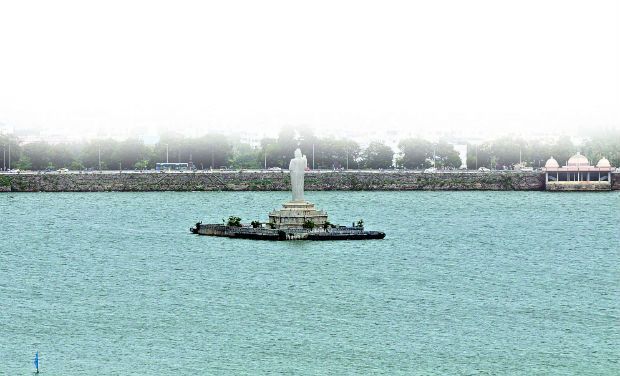
File picture of Hussainsagar lake. (Photo: DC/File)

Hyderabad:

The Buddha Purnima project wing aims to earn Rs 60 lakh per month from the sale of treated water from Hussainsagar, which is the only revenue generating project under the Hussainsagar Lake and Catchment Improvement Programme (HCIP).

The three filling stations, at Khairatabad flyover, NTR Garden service gate and Sanjeevaiah Park second gate together will have the capacity to fill 1,000 tankers (of 10 kilo liters) per day. Out of the 50 MLD of treated water, 35 MLD will be used to maintain the lake balance, seven will be used by HMDA and the rest will be sold.

The three filling stations will be connected with a six-km pipeline procured from Kolkata. The HMDA chief engineer for the reuse project explained, “Per day, 50 MLD of sewerage water is being treated at various sewerage treatment plants (STPs), out of which 35 MLD is needed to maintain the lake balance (for evaporation and percolation); of the remaining 15 MLD, 7.10 MLD is required for gardening and landscaping of HMDA amusement establishments surrounding Hussainsagar. The remaining 8 MLD will be stored at the filling stations for sale.”

The treated water contains dissolved oxygen less than 3 milligrams per liter (mg/l), residual chlorine from 0.1 to 0.2 mg/l and other elements like nitrogen, phosphorus, coliform and suspended solids. It can be used for irrigation, construction, landscaping, gardening and washing purposes.

Till now, the South Central Railway, Secunderabad, has come forward to purchase 1.10 MLD for washing bogies (0.6 MLD at Nampally station and 0.5 MLD at Kachiguda); few private construction companies and concrete ready mix plants have also showed interest.

“The exact price per tanker will be finalised after the completion of the filling stations. The HMDA has estimated close to Rs 2 lakh revenue per day (Rs 60 lakh per month). Each station will have four filling points and the maximum flow at each point will be 69 cubic meter per hour,” added the official.

source: http://www.deccanchronicle.com / Deccan Chronicle / Home> Nation> Current Affairs/ by DC Correspondent / May 08th, 2014

Denty’s Dental Care raises $4.5 million from Helion Venture Partners

Today’s Healthcare, based in Vijayawada, runs 10 clinics in five cities in Andhra Pradesh and Tamil Nadu, which have fully digitized logging of patient data and electronic medical records./  Photo: Ramesh Pathania/ Mint
Today’s Healthcare, based in Vijayawada, runs 10 clinics in five cities in Andhra Pradesh and Tamil Nadu, which have fully digitized logging of patient data and electronic medical records./ Photo: Ramesh Pathania/ Mint

The money will be used to set up more clinics

Bangalore:

Dental care company Today’s Healthcare India Pvt. Ltd , which has multiple clinics under the name Denty’s Dental Care , said on Monday that it raised Rs.27 crore ($4.5 million) from Helion Venture Partners .

The money will be used to set up more clinics.
Today’s Healthcare , based in Vijayawada, runs 10 clinics in five cities in Andhra Pradesh and Tamil Nadu, which have fully digitized logging of patient data and electronic medical records.
“We are impressed by the founders’ focus on clinical excellence combined with repeatable and scalable operational processes. Customers across five different cities enthusiastically recommend the clinics to their friends and families, giving us confidence in the team’s ability to create a high-quality dental practice nationwide,” said  Sanjeev Aggarwal , senior managing director, Helion Venture Partners.
The first clinic was launched in Vijayawada by two doctors, Sekhar Chennupati  and Rajesh Nandipati , in 2009. The clinics offer comprehensive dental services ranging from basic to advanced treatments across all specialities in dentistry.
“The funding from Helion will fuel the replication of our proven, scalable model across the country, enabling us to reach out to a larger population. There is an acute need for standardized delivery of dental care and the existing infrastructure is only touching the periphery of this opportunity,” Chennupati, co-founder and managing director, Denty’s Dental Care, said in a statement.
The funds will be used to build 150 clinics over the next five years, the company said.
The Indian dental care services market was worth $740 million (aroundRs.4,450 crore) in 2010 and is expected to reach $1.3 billion by 2015, growing at an annual rate of 12%, according to Frost and Sullivan , a business consulting firm.
Dental care chains that have come up in the last five years, mainly in bigger cities, include Dentistree ,  Stardental Centre Pvt. Ltd   under the name  Clove Dental ,  Total Dental Care Pvt. Ltd  under the name  MyDentist  ,  Apollo Hospitals group’s  Apollo White Dental ,  Axiss Dental  and  Swiss Smile Dental Clinic .
India had 180,000 dentists in 2012, serving the population through 125,000 clinics across the country, according to a Healthcare and Dental Industry in India report.
The general dentist concentration is one for every 30,000 persons; urban concentration indicates one dentist for every 10,000 and rural areas one dentist for every 250,000.
source: http://www.livemint.com / Live Mint & Wall Street Journal / Home> Companies / by Aparna Ghosh / Monday – May 05th, 2-014

Hyderabad to host software engineering conference

Eight-day conference from May 31 to June 7 would see around 2,000 individuals, including 600 international and 800 Indian delegates attending it.

SoftwareHF16may2014

Hyderabad, which will host the 36th edition of International Conference on Software Engineering (ICSE), 2014, will act as the meeting point of researchers, professionals, students and faculty from the departments of software engineering from India and across the globe.

This is the first time India is hosting the conference.

The eight-day conference from May 31 to June 7 would see participation of around 2,000 individuals, including 600 international and 800 Indian delegates.

Some of the speakers for the event include James D Herbsleb, professor, Institute for Software Research in Carnegie Mellon University and Charles Lee Isbell, Jr Senior Associate Dean, College of Computing and Professor at Georgia Institute of Technology .

Around 100 PhD students will share their research findings and experiences.

For the first time in the 36-year history of ICSE, live video streaming of the keynotes will be made available for those who won’t be able to attend the conference.

“Through this conference, we aim to bring together eminent scholars to provide an opportunity for the young minds to learn and grow,” said Ramesh Loganathan, president of  IT and  ITeS Association of Andhra Pradesh (ITsAP).

The key highlights include presentation of technical research papers, software engineering education and training, new faculty and researcher symposium, student research competition and future of software engineering among others.

“The industry forum will enable young professionals to understand the global standards and get a peek into some of the best works in software industry research in the world,” said Professor Vasudev Varma of IIIT-Hyderabad.

The next edition of the conference will be held in Italy from May 16-24, 2015. The previous edition happened in San Francisco, USA.

For hosting the event, Hyderabad outstripped other contenders– New Delhi, Pune and Bangalore– in terms of well-placed IT ecosystem and an easy drive to international airport, said organisers of the event.

source: http://www.business-standard.com / Business Standard / Home> Current Affairs> News> National / by N Madhav / Hyderabad – May 05th, 2014

Shantha’s Pentavalent Pediatric Vaccine prequalified by World Health Organization

Shantha’s Pentavalent Pediatric Vaccine prequalified by World Health Organization

– Shan5(TM) is the first vaccine jointly developed by the Indian company

and its parent company Sanofi Pasteur –

– WHO’s decision allows for the purchase of Shan5(TM) by United Nations agencies –

LYON, France, May 5, 2014 (GLOBE NEWSWIRE) — Sanofi Pasteur, the vaccines division of Sanofi (EURONEXT: SAN and NYSE: SNY), announced today that its pediatric pentavalent vaccine Shan5(TM), developed and manufactured by its affiliate Shantha Biotechnics in Hyderabad, India, has received prequalification status from the World Health Organization (WHO). This status is based on a review of a comprehensive set of data related to the process and the product characteristics, as well as on a positive recommendation of WHO’s auditors following a site inspection of Shantha’s manufacturing facilities. It qualifies Shan5(TM) vaccine for purchase by United Nations agencies, mainly UNICEF. Shan5(TM) prequalification will give more children around the world access to the latest high-quality, fully-liquid, 5-in-1 vaccine and help secure the supply of pentavalent combination vaccines in over 50 emerging and low-income countries.

“Shan5(TM) is the first product that puts together the best of Shantha and Sanofi Pasteur’s assets and talents,” said Olivier Charmeil, Sanofi Pasteur President and CEO. “Today, a significant number of babies born every year do not have access to modern vaccination programs. By delivering large supplies of high-quality and affordable vaccines to emerging and low-income countries, Shantha will be contributing to filling this gap for the benefits of babies and their parents.”

Shan5(TM) is produced at Shantha’s state-of-the-art manufacturing facility in Hyderabad, India, and received Marketing Authorization in India in March 2014.

“The development of Shan5(TM) benefitted from Sanofi Pasteur’s more than 50 years of experience with whole-cell pertussis and combination vaccines – ensuring robust processes and guaranteeing international quality standards” said Harish Iyer, Shantha CEO. Shantha’s manufacturing platform in India will serve Indian needs and provide Sanofi Pasteur access to additional vaccine markets globally.”

About Shantha

Shantha, which was acquired by Sanofi Pasteur Holding in 2009, is a biotechnology pioneer from the emerging countries, founded by Dr. K I Varaprasad Reddy in 1993 in Hyderabad, India. Shantha is a fully integrated biotechnology company involved in R&D, manufacturing and marketing.

Shantha’s mission is to develop, produce and market human health care products which are affordable and meet the highest International standards. Shantha’s products complement Sanofi Pasteur’s portfolio. Besides Shan5(TM), three of its vaccines are WHO-prequalified: Shanchol(TM) cholera vaccine, Shanvac-B(R) hepatitis B vaccine and ShanTT(TM) tetanus vaccine. Sanofi Pasteur and Shantha are also developing a new vaccine against rotavirus and a pediatric combination vaccine based on Shan5(TM),that will incorporate Sanofi Pasteur’s Inactivated Polio Vaccine (IPV) in order to secure polio eradication.

About Shan5

Shan5 is a fully-liquid five-in-one, convenient, safe and high-quality vaccine that provides effective protection for children from 6 weeks of age against five diseases: diphtheria, tetanus, pertussis, Hib and hepatitis B. Shan5 vaccine has been developed and is produced by Shantha in Hyderabad, India.

About Sanofi

Sanofi, an integrated global healthcare leader, discovers, develops and distributes therapeutic solutions focused on patients’ needs. Sanofi has core strengths in the field of healthcare with seven growth platforms: diabetes solutions, human vaccines, innovative drugs, consumer healthcare, emerging markets, animal health and the new Genzyme. Sanofi is listed in Paris (EURONEXT: SAN) and in New York (NYSE: SNY).

Sanofi Pasteur, the vaccines division of Sanofi, provides more than 1 billion doses of vaccine each year, making it possible to immunize more than 500 million people across the globe. A world leader in the vaccine industry, Sanofi Pasteur offers a broad range of vaccines protecting against 20 infectious diseases. The company’s heritage, to create vaccines that protect life, dates back more than a century. Sanofi Pasteur is the largest company entirely dedicated to vaccines. Every day, the company invests more than EUR 1 million in research and development. For more information, please visit: www.sanofipasteur.com or www.sanofipasteur.us

Forward Looking Statements

This press release contains forward-looking statements as defined in the Private Securities Litigation Reform Act of 1995, as amended. Forward-looking statements are statements that are not historical facts. These statements include projections and estimates and their underlying assumptions, statements regarding plans, objectives, intentions and expectations with respect to future financial results, events, operations, services, product development and potential, and statements regarding future performance. Forward-looking statements are generally identified by the words “expects”, “anticipates”, “believes”, “intends”, “estimates”, “plans” and similar expressions. Although Sanofi’s management believes that the expectations reflected in such forward-looking statements are reasonable, investors are cautioned that forward-looking information and statements are subject to various risks and uncertainties, many of which are difficult to predict and generally beyond the control of Sanofi, that could cause actual results and developments to differ materially from those expressed in, or implied or projected by, the forward-looking information and statements. These risks and uncertainties include among other things, the uncertainties inherent in research and development, future clinical data and analysis, including post marketing, decisions by regulatory authorities, such as the FDA or the EMA, regarding whether and when to approve any drug, device or biological application that may be filed for any such product candidates as well as their decisions regarding labelling and other matters that could affect the availability or commercial potential of such product candidates, the absence of guarantee that the product candidates if approved will be commercially successful, the future approval and commercial success of therapeutic alternatives, the Group’s ability to benefit from external growth opportunities, trends in exchange rates and prevailing interest rates, the impact of cost containment policies and subsequent changes thereto, the average number of shares outstanding as well as those discussed or identified in the public filings with the SEC and the AMF made by Sanofi, including those listed under “Risk Factors” and “Cautionary Statement Regarding Forward-Looking Statements” in Sanofi’s annual report on Form 20-F for the year ended December 31, 2013. Other than as required by applicable law, Sanofi does not undertake any obligation to update or revise any forward-looking information or statements.

Contacts:

Global Media Relations Investor Relations

Alain Bernal Sébastien Martel

T. +33 (0)4 37 37 50 38 T. +33 (0)1 53 77 45 45

alain.bernal@sanofipasteur.com ir@sanofi.com

www.sanofipasteur.com

India Media Relations

Aparna Thomas

T. +91-22-28-27-81-69

aparna.thomas@sanofi.com

www.sanofi.com

Link to PDF of Press Release http://hugin.info/152918/R/1782423/610086.pdf

HUG#1782423

source: http://www.onlinewsj.com / The Wall Street Journal / Home> India Edition / Press Release / May 05th, 2014
Picture-perfect history

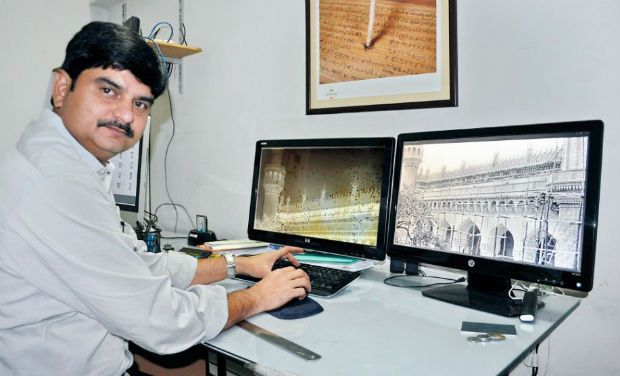
Paulus Raveendra Eduri shows how the photographs are digitised.

Hyderabad: 

Bruno Jehle arrived in India in 1983, “when India was still taking shape”. Soon after his arrival in Mumbai, the tall Swiss hopped on a train and embarked on a very long, 30-hour trip to what was then, the grand city of Madras.

“I remember the slums around Adyar. People looked at me and immediately assumed that I had lots of money and that I could help them out of their many problems. But I didn’t have a penny and yes, life in the slums was tough, demanding and challenging.”

But Jehle soon started helping out in a business selling eggs, dealt with thugs and made life-long friends. It is that very link with “that true India” that left an indelible mark, which was clearly evident during his meeting with the DC, where he explained what the Switzerland-based BJ Institute is doing in the bylanes of West Marredpally.

The Nizam’s photos

One of the founders of the institute, Jehle, a lithographer by trade, has over the past seven years, managed to train a small team of Hyderabadi photo specialists to restore and digitise some of the first photos taken of the city and beyond.

These photographs, dating back at least a 100 years, were taken by the Hyderabad Department of Archeology — a rag-tag bunch of photographers commissioned by the erstwhile Nizam’s government to shoot and document historical structures, artifacts and excavations across the dominion and the neighbouring regions. What the photographers did then, was the first ever photo survey of the region, taking over 60,000 photographs of structures ranging from the 1,000-pillar temple at Hanamkonda to the Ajanta Elora caves of Maharashtra.

The  photographs were stored as negatives, inside crates that piled from floor to roof. When the state of Andhra Pradesh was formed in 1956, the photos moved into the hands of the newly-designated Department of Archae-ology of Museums and the officials then moved the precious photos into a room, where they rested for 99 years, subject to heat, dust and the elements.

That’s until Jehle’s and his Indian partner Paulus Rave-endra Eduri pitched to the government that they had the means and motivation to restore and preserve the photographs, with a 300-year warranty.

Paint and polish

So in the October of 2012 began the task of sorting and cataloguing the thousands of photo negatives. An entire ‘clean room’ was built from the ground up, equipment was brought in, personnel were hired, documents were signed and a small, tight team, along with representatives from the government, went to work.

“We had to guard the room against natural light, clean it up and then take photos of the negatives. But then we knew what the challenges were and this was not the job where we could’ve cut corners,” said Eduri.

The final product is stunning. Printed on the choicest of paper, the collection of restored photographs offer a never-seen-before insight of the monuments and people from an era that’s mandatory study for several experts. The photographs show clothing, modes of transport, trade, layouts of towns and much more.

“This is what I want people to see. Our small team in Hyderabad has managed to bring out the life and times of a forgotten people,” adds Jehle.

And in that little house in West Marredpally is also where the Indo-Swiss collaboration has come full circle. In 1948, just after India’s Indepen-dence, the nation’s leading lights had sent out a sort of SOS to the Swiss government, asking for help in infrastructure development. Jehle and Eduri’s work then is the coming together of a 65-year-old idea, an initiative… that is finally taking form in Hyderabad.

source: http://www.deccanchronicle.com / Deccan Chronicle / Home> Nation> Current Affairs / DC /  by Govind Vijaykumar / December 15th, 2014